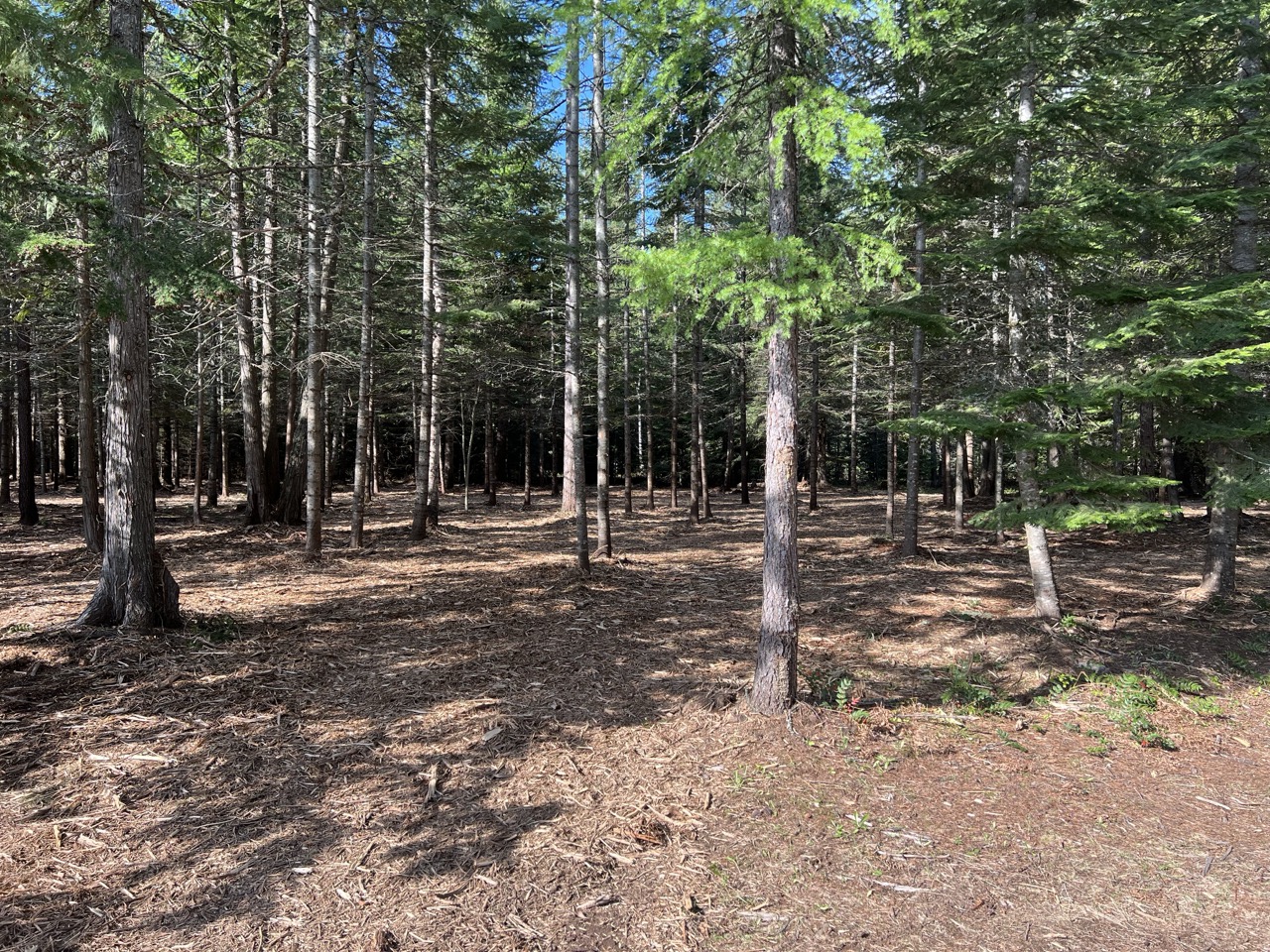
Tree Thinning & Fire Reduction in North Idaho
Selective thinning and limbing that reduces wildfire risk on your property and gives the remaining trees room to grow.
Why Thinning Is the Most Important Work You're Not Doing
Most North Idaho forests are too thick. They were thick before fire season got worse, and now they're a real problem. Trees compete for sunlight and water. Lower limbs die. Undergrowth fills in. The forest stops being a forest and starts being a fuel pile waiting for a spark.
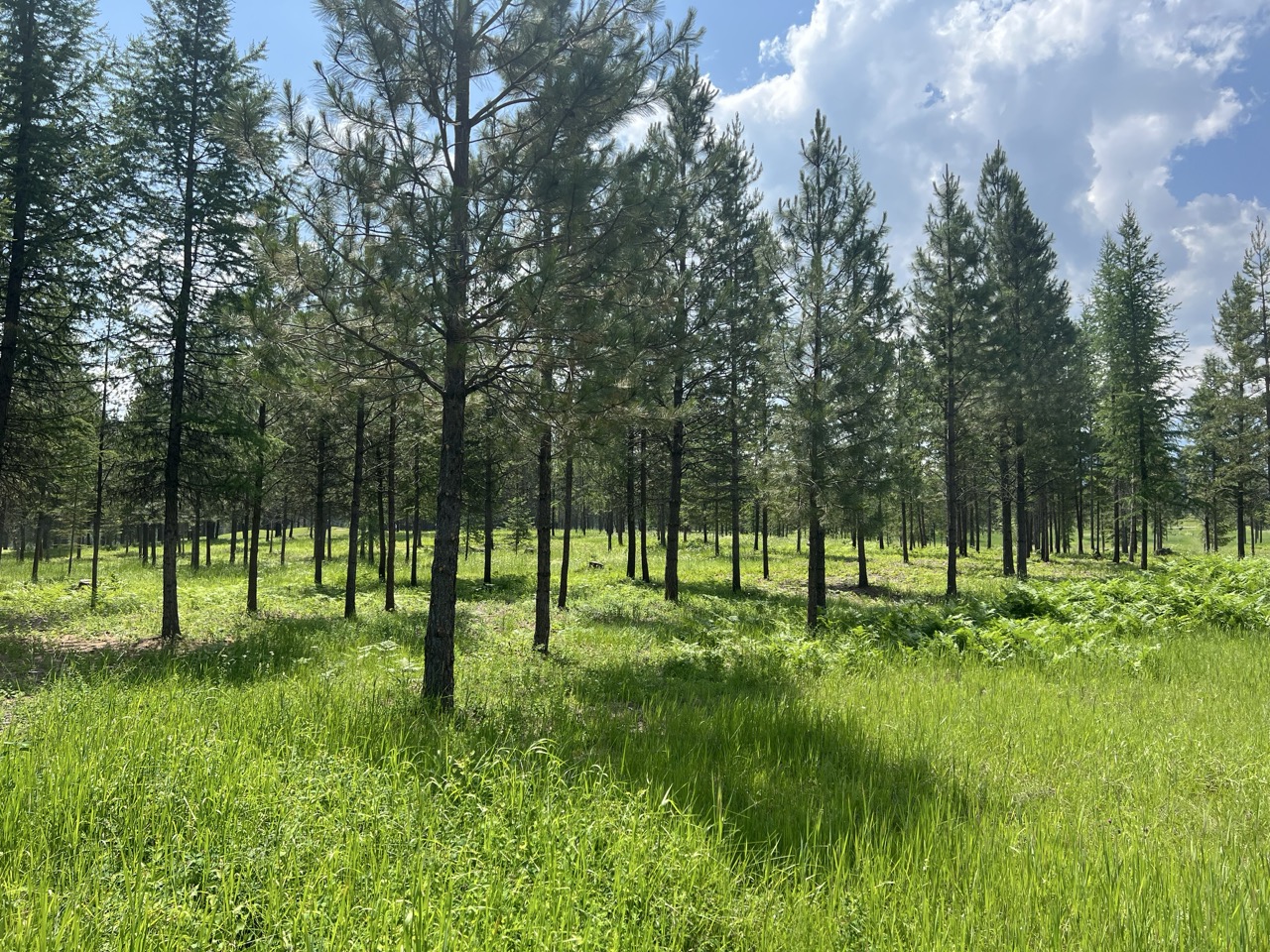
Thinning solves both problems at once. By selecting the right trees to take and limbing the ones that stay up to about ten feet, we cut your fire risk dramatically and give the remaining trees the resources to grow strong. A properly thinned forest is more fire resistant, healthier, and more valuable.
The Difference Between Thinning and Cutting
Anyone with a chainsaw can cut trees down. Proper thinning is harder. It means walking the property and choosing which trees stay and which go based on species, health, spacing, and the condition of the surrounding stand.
Species. Some trees handle drought, fire, and disease better than others. Larch and pine generally do well in our area. Fir and cedar are more vulnerable in dry years.
Health. Stressed and diseased trees come down. Healthy trees stay.
Spacing. The remaining trees need room to grow without competing too hard for water and light.
Limbing. Lower limbs on the trees that stay get taken up to about ten feet. This breaks the ladder that lets a ground fire climb into the canopy.
Fire Season Is Why Most People Call
We get a lot of calls in late spring and early summer from property owners who looked around and realized their land is going to burn if a fire comes through. They're right to call. The work to make a property defensible takes time, and the right window is before the conditions get bad, not after the smoke starts.
If your house sits in the trees, your trees are crowded together, or you can't walk through your woods without ducking under brush, you should be thinking about thinning. Call before the rest of the neighborhood does.
Thinning often pairs with forest mulching to clean up the slash and brush after the work is done.
Related services: Forest Mulching · Logging
Don't Wait for Fire Season
Call us now. We'll walk your property and put together a thinning plan.
Call 208-610-3729Free Site Review. No obligation.